
Basement & Lower-Level Water Removal in Dallas, TX — 24/7 Emergency
Standing water in your Dallas basement, lower level, or below-grade space? Our crews pump it out fast, dry the structure completely, and prevent the mold growth that below-grade moisture invites — 24/7 emergency response.
Part of Dallas Water Damage — 24/7 water damage restoration across the Greater Dallas metro.
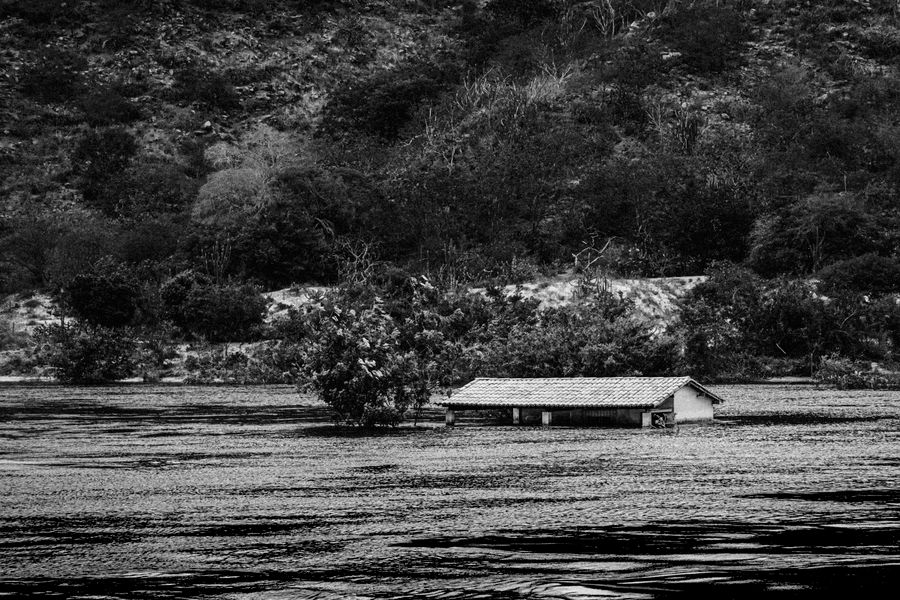
Below-grade flooding in Dallas homes results from sump pump failures, heavy storms overwhelming drainage, plumbing breaks, and foundation water intrusion through cracks in the slab or walls. Dallas Water Damage Services & Restoration provides 24/7 basement and lower-level water removal across the Greater Dallas metro. Our submersible pumps handle deep standing water, and our structural drying equipment is configured for the unique challenges of below-grade spaces — reduced airflow, concrete moisture retention, and elevated mold risk. Call (940) 226-9728.
Why Dallas Basements and Lower Levels Flood
While full basements are less common in Dallas than in northern climates, many Dallas homes have below-grade spaces — finished basements, utility rooms, game rooms, media rooms, and storm shelters — that are vulnerable to water intrusion.
Dallas's expansive clay soil is the primary driver of below-grade water problems. When saturated by heavy rainfall, the clay swells and creates hydrostatic pressure against foundation walls, forcing water through cracks, joints, and any imperfection in the waterproofing membrane. During dry periods, the clay shrinks and pulls away from the foundation, creating channels that funnel the next heavy rain directly against the concrete. This wet-dry cycle is constant in North Texas and means that even well-built basements face ongoing water intrusion risk. Properties in neighborhoods with higher water tables — areas near White Rock Creek, Bachman Creek, and the Trinity River bottoms — face additional groundwater pressure. Homes in Preston Hollow, North Dallas, and parts of Richardson with below-grade living spaces are particularly at risk during sustained spring rain events.
What You're Facing
- ✓Sump pump failure during heavy storms — mechanical failure, power outage, or capacity exceeded
- ✓Hydrostatic pressure from saturated clay soil forcing water through foundation cracks and joints
- ✓Foundation wall cracks from soil expansion/contraction cycles allowing seepage
- ✓Below-grade plumbing failures (water heaters, washing machines, utility sinks)
- ✓Storm water overwhelming window wells, stairwells, and egress openings
- ✓Groundwater intrusion through slab cracks during sustained rain events
How Dallas Water Damage Solves It
- ✓High-volume submersible pump extraction removing standing water from below-grade spaces rapidly
- ✓Detailed inspection of foundation wall and slab intrusion points
- ✓Complete structural drying of concrete walls, slab, framing, and finish materials with below-grade drying protocols
- ✓Extended dehumidification addressing concrete moisture retention (concrete holds moisture 2-3x longer than drywall)
- ✓Antimicrobial treatment targeting the elevated mold risk in below-grade environments
- ✓Recommendations for waterproofing improvements to prevent future intrusion
How We Remove Basement and Lower-Level Water
Emergency Pump-Out
Submersible pumps rated for debris-laden water remove standing water from your basement or lower level. Multiple pumps may be deployed simultaneously for deep water or large spaces. We begin reducing water level immediately on arrival.
Extraction & Detail Removal
After pump-out, remaining water in carpet, padding, concrete pores, and hard-to-reach areas is extracted with portable equipment. Weighted extractors pull moisture from carpet without removal when salvageable.
Below-Grade Structural Drying
Below-grade drying requires a different approach than above-grade spaces. Concrete walls and slabs retain moisture far longer than standard building materials. We deploy commercial dehumidifiers (pulling 30+ gallons/day) with directed air movers, and run drying equipment longer — typically 5-10 days for below-grade concrete to reach dry standards.
Mold Prevention Treatment
Below-grade spaces are the highest-risk environment for post-water-damage mold in any Dallas home. We apply antimicrobial treatments to all exposed surfaces during and after drying to prevent mold colonization in the extended drying window.
Restoration & Waterproofing Recommendations
Damaged finish materials (drywall, flooring, trim) are replaced. We provide specific recommendations for waterproofing improvements — sump pump upgrades, battery backup systems, interior drainage, and crack sealing — to reduce future flooding risk.
Need Basement Water Removal in Dallas? Call Now.
A live dispatcher answers 24/7 and gets a basement water removal crew headed your way. Call Dallas Water Damage now.
Below-Grade Water Damage: Why It Requires Specialized Approach
Below-grade spaces present unique water damage challenges that above-grade rooms do not. Understanding these differences is critical for proper restoration:
Concrete Moisture Retention
Concrete is porous. A standard 4-inch residential concrete slab can absorb and hold significant amounts of water. While drywall might dry in 2-3 days, concrete can take 7-14 days to fully release trapped moisture — and every day of dampness increases mold risk. Standard drying approaches designed for above-grade rooms underestimate the time and dehumidification capacity needed for below-grade concrete.
Dallas Water Damage uses high-capacity commercial dehumidifiers (not residential units) and conducts daily moisture readings on concrete surfaces with both surface meters and relative humidity testing to ensure concrete reaches safe moisture levels before finish materials are reinstalled.
Reduced Airflow & Ventilation
Basements and lower levels have inherently less natural airflow than above-grade rooms. Fewer windows, enclosed stairwells, and below-grade walls limit air circulation. This means moisture that evaporates from wet surfaces stays in the space longer, slowing drying and creating conditions ideal for mold growth.
Our below-grade drying protocol compensates with additional air movers, strategic equipment placement that creates circular airflow patterns, and higher-capacity dehumidification to handle the moisture load without the benefit of natural ventilation.
Sump pump systems: If your below-grade space has a sump pump, we test it during the restoration process. If the pump failed or was overwhelmed, we recommend appropriate upgrades — including battery backup systems that maintain operation during power outages (when pump-out is most needed) and higher-capacity pumps rated for the water volume your property has experienced.
Why Trust Dallas Water Damage with Below-Grade Flooding
Below-Grade Expertise
Basement and lower-level drying requires specialized protocols for concrete moisture retention, reduced airflow, and extended drying timelines. We have the approach and equipment.
Heavy-Duty Pumps
Submersible pumps rated for deep water and debris handle large volumes fast — even in spaces with limited access.
Mold Prevention Priority
Below-grade spaces are the highest mold risk in any home. We apply antimicrobial treatment and extend drying beyond standard timelines to prevent growth.
24/7 Storm Response
Basement flooding usually happens during the worst storms. We dispatch around the clock and pre-position when severe weather is forecast.
Concrete Drying Verification
We don't guess — we measure. Daily moisture readings on concrete surfaces ensure drying is complete before any finish materials go back in.
Waterproofing Recommendations
After restoration, we provide specific recommendations to reduce future flooding risk — sump pump upgrades, backup systems, drainage improvements, and crack sealing.
Basement Water Removal Cost in Dallas
Below-grade water removal costs depend on water depth, the size of the space, contamination level, and the finish materials affected. General ranges for Dallas:
Shallow / Small Area
$2,000 – $5,000
A few inches of clean water in a utility room or unfinished area. Pump-out, extraction, 5-7 days drying, antimicrobial treatment.
Finished Basement
$5,000 – $15,000
Flooded finished space with carpet, drywall, and trim to remove and replace. Extended drying, material restoration.
Deep Flooding
$12,000 – $30,000+
Significant water depth, contaminated water, extensive material damage. Major pump-out, full material removal, extended drying and rebuild.
Insurance: Coverage depends on the water source. Sudden plumbing failures are typically covered. Foundation seepage and groundwater intrusion may require specific endorsements. Storm-related flooding requires separate flood insurance. Dallas Water Damage documents the water source and damage thoroughly to support your claim.
Basement Water Removal Across Greater Dallas
Dallas Water Damage provides basement water removal across every Dallas neighborhood.
Other Services from Dallas Water Damage
Don't Wait — Call Dallas Water Damage Now
Water damage gets worse every hour. Call now for 24/7 emergency dispatch anywhere in the Greater Dallas metro.
Common Questions About Basement Water Removal in Dallas
How fast can Dallas Water Damage remove basement water?
Can basement water damage cause mold?
What causes basement flooding in Dallas?
Does Dallas Water Damage dry basement concrete?
Should I run my sump pump myself before calling?
Can I save my finished basement after flooding?
Why does my basement flood every time it rains hard?
Does insurance cover basement flooding in Dallas?
Proudly serving the Greater Dallas metro as Dallas Water Damage.