Mold Remediation & Removal in Dallas, TX — Certified Experts
Visible mold, musty odors, or unexplained allergy symptoms in your Dallas property? Our certified crews inspect, contain, remove, and prevent mold — addressing the root moisture source so it does not return.
Part of Dallas Water Damage — 24/7 water damage restoration across the Greater Dallas metro.
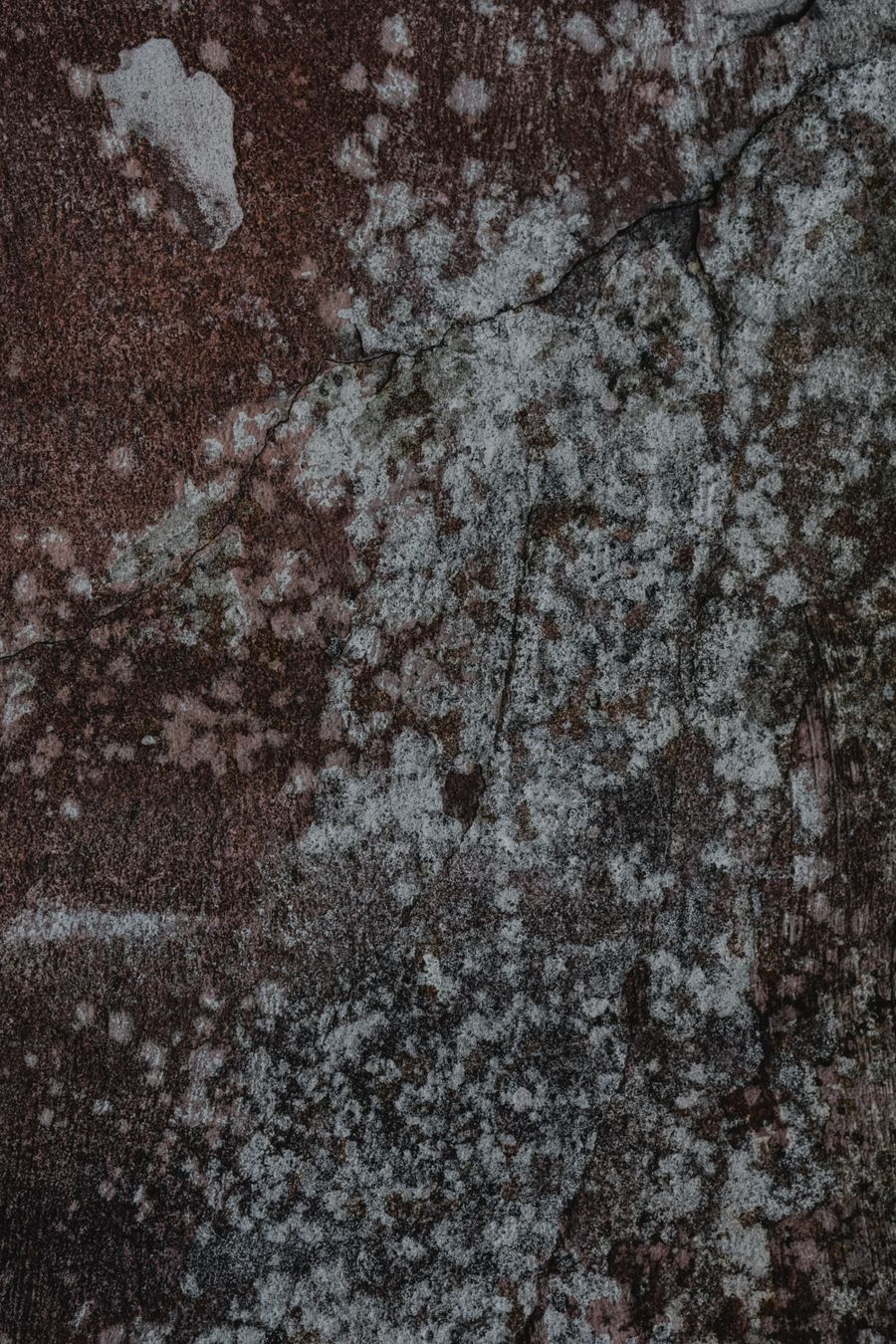
Mold growth in Dallas homes often follows water damage, plumbing leaks, HVAC condensation issues, or chronically high humidity. Dallas Water Damage Services & Restoration provides professional mold inspection, containment, removal, and post-remediation verification across the Greater Dallas metro — from older pier-and-beam homes in Lakewood and East Dallas to newer construction in Frisco and Lake Dallas. Our crews follow IICRC S520 mold remediation standards on every project. Call (940) 226-9728.
Why Mold Grows in Dallas Properties
Dallas's hot, humid climate and frequent water damage events create ideal conditions for mold growth. Mold can begin colonizing within 24-48 hours of a moisture event.
Mold spores are present in virtually every indoor environment — they become a problem when they find persistent moisture. Dallas's average relative humidity sits above 60% for much of the year, and summer dew points regularly exceed 70°F. This means any surface that stays damp for more than 48 hours is likely to develop mold growth. The most common triggers in Dallas homes are: water damage that wasn't fully dried (the number one cause), slow plumbing leaks behind walls or under sinks that go unnoticed for weeks, clogged AC condensation drain lines that overflow into ceiling cavities, inadequate bathroom ventilation, and poor attic ventilation that allows moisture to condense on roof sheathing. Older Dallas neighborhoods like Lakewood, M Streets, Swiss Avenue, and Oak Cliff often have pier-and-beam construction with crawl spaces that trap humidity, while newer tract homes in North Dallas and the suburbs sometimes have vapor barrier issues that create moisture pockets inside wall cavities.
What You're Facing
- ✓Post-water-damage mold growth behind walls, above ceilings, and under floors — often invisible
- ✓Slow plumbing leaks feeding hidden mold colonies behind cabinets and inside walls for weeks or months
- ✓AC condensation drain clogs overflowing into ceiling and wall cavities — extremely common in Dallas summers
- ✓High humidity in poorly ventilated bathrooms, laundry rooms, and crawl spaces
- ✓Inadequate attic ventilation causing condensation on roof sheathing
- ✓Flooding or storm damage that was dried incompletely or too slowly
How Dallas Water Damage Solves It
- ✓Professional mold inspection with moisture meters and visual assessment identifying every affected area
- ✓Full containment with negative air pressure preventing spore spread during removal
- ✓Safe removal of mold-affected drywall, insulation, framing, and other materials per IICRC S520 standards
- ✓HEPA air scrubbing removing airborne mold spores throughout the remediation process
- ✓Moisture source identification and correction to eliminate the condition that caused growth
- ✓Post-remediation verification ensuring mold levels are back to normal background levels
Our Mold Remediation Process — IICRC S520 Protocol
Inspection & Moisture Assessment
Technicians visually inspect for mold growth, use moisture meters to identify active moisture sources, and map the full extent of affected areas. We determine what type of mold is present, how far it has spread, and what moisture condition is feeding it.
Containment Setup
Plastic sheeting seals the affected area from the rest of the home. Negative air machines create pressure that pulls air into the contained space rather than allowing spores to escape. HEPA air scrubbers run continuously throughout the process.
Mold-Affected Material Removal
Porous materials with mold growth — drywall, insulation, carpet, ceiling tile — are carefully cut out, bagged, and removed. Non-porous materials with surface mold are cleaned with antimicrobial agents. Techniques minimize spore disturbance during removal.
Surface Treatment & HEPA Cleaning
All remaining surfaces in the contained area are treated with antimicrobial agents. HEPA vacuuming removes settled spores from every surface. Air scrubbers continue running until airborne spore counts drop to acceptable levels.
Moisture Source Correction
We identify the specific moisture condition that caused the mold growth — a leak, poor ventilation, condensation issue, or prior water damage — and either correct it or provide specific recommendations for correction. Mold remediation without moisture correction is incomplete.
Post-Remediation Verification
After remediation, we verify that moisture levels are normal and affected areas are clean. Third-party air testing can be coordinated when needed for insurance, real estate transactions, or peace of mind.
Need Mold Remediation in Dallas? Call Now.
A live dispatcher answers 24/7 and gets a mold remediation crew headed your way. Call Dallas Water Damage now.
Types of Mold Found in Dallas Homes
Dallas's warm, humid climate supports many types of mold growth. While mold species identification requires laboratory testing, here are the types most commonly found during remediation in Dallas properties:
Common Non-Toxic Molds
Cladosporium: The most common mold in Dallas homes. Appears olive-green to brown on surfaces. Grows on both porous and non-porous materials. Generally causes allergic reactions (sneezing, runny nose, itchy eyes) rather than severe health effects. Commonly found on window frames, bathroom walls, and HVAC components.
Aspergillus: Very common indoors. Appears in various colors (green, yellow, white, brown). Can cause allergic reactions and respiratory issues, especially in immunocompromised individuals. Frequently found on water-damaged drywall, insulation, and food items.
Penicillium: Blue or green fuzzy growth commonly found on water-damaged materials, wallpaper, and insulation. Spreads rapidly. Produces strong musty odors. Frequently found after Dallas homes experience slow leaks or HVAC condensation issues.
Potentially Harmful Molds
Stachybotrys (Black Mold): The mold most people fear. Greenish-black, slimy appearance. Requires prolonged moisture — typically grows after sustained water damage on cellulose materials (paper-faced drywall, ceiling tiles, wood). Produces mycotoxins that can cause respiratory issues, headaches, and chronic fatigue. Found in Dallas homes after unresolved water damage, particularly behind walls where leaks persisted for weeks.
Chaetomium: Often found alongside Stachybotrys on severely water-damaged drywall. Starts white and darkens to gray or brown. Produces a distinctive musty odor. Commonly found in Dallas homes with chronic roof leaks or ongoing foundation moisture intrusion.
Important: All mold growth in occupied spaces should be professionally remediated regardless of species. Even "non-toxic" molds produce allergens and irritants that affect indoor air quality. Dallas Water Damage treats all mold growth with the same level of containment and thoroughness.
Why Dallas Trusts Us for Mold Remediation
IICRC S520 Certified
Our mold remediation crews follow the industry standard of care — IICRC S520 protocols — for containment, removal, treatment, and verification.
Root Cause Focus
We don't just remove mold — we find and address the moisture source that caused it. Without moisture correction, mold returns.
Proper Containment
Negative air pressure, plastic barriers, and HEPA air scrubbing prevent cross-contamination during every remediation project.
Post-Remediation Verification
We verify results and coordinate third-party air testing when needed for insurance, real estate, or peace of mind.
Water Damage Expertise
Most mold follows water damage. As water damage specialists, we understand the full picture — from the moisture event through remediation and rebuild.
Dallas Climate Knowledge
We understand Dallas-specific mold triggers: HVAC condensation, high humidity, clay soil moisture, and seasonal patterns unique to North Texas.
Mold Remediation Cost in Dallas
Mold remediation cost depends primarily on the square footage affected, the materials involved, and accessibility. General ranges for Dallas homes:
Small Area
$1,500 – $5,000
Under 50 sq ft of mold growth. One contained area, limited material removal, standard drying and treatment.
Moderate Spread
$5,000 – $15,000
50-200 sq ft affecting multiple rooms or wall cavities. Extensive material removal, multi-zone containment, extended air scrubbing.
Major Infestation
$15,000 – $30,000+
Over 200 sq ft, attic-wide growth, or multi-story involvement. Major demolition, structural treatment, extensive rebuild.
Insurance: Mold remediation coverage varies significantly by policy and carrier in Texas. Many policies cover mold that results from a covered water damage event (burst pipe, storm damage) but exclude mold from maintenance issues (ongoing leaks, humidity). Some policies have mold-specific caps ($5,000-$10,000). Dallas Water Damage documents the moisture source and its relationship to any covered event to maximize your claim potential.
Mold Remediation Across Greater Dallas
Dallas Water Damage provides mold remediation across every Dallas neighborhood.
Other Services from Dallas Water Damage
Don't Wait — Call Dallas Water Damage Now
Water damage gets worse every hour. Call now for 24/7 emergency dispatch anywhere in the Greater Dallas metro.
Common Questions About Mold Remediation in Dallas
How do I know if I have mold in my Dallas home?
Is mold dangerous to my health?
How long does mold remediation take in Dallas?
Does Dallas Water Damage test for mold?
Can I paint over mold to kill it?
Why does mold keep coming back after I clean it?
Is black mold more dangerous than other molds?
Does homeowners insurance cover mold remediation in Dallas?
Can Dallas Water Damage handle mold in my attic?
Proudly serving the Greater Dallas metro as Dallas Water Damage.